
Your needs, this model
Does it fit your priorities?
Will its EnergyGuide establish an 8,000-BTU/h DOE/SACC minimum?
Not from this source set. The exact label says 10,000 BTU capacity but does not identify DOE/SACC, so the hard method-specific requirement is unconfirmed.
Explore this need in the finder →Does this earlier model fit a one-hose installation and 40-inch opening?
Yes if the exact kit pieces are present: the manual names one-hose Cool and a 19.4–62.2-inch window-kit range.
Explore this need in the finder →Can I make supplemental heat essential for this exact model?
Not on available exact-SKU evidence. The family manual labels heat instructions as applying to applicable heat-pump models but does not establish that this code is one of them.
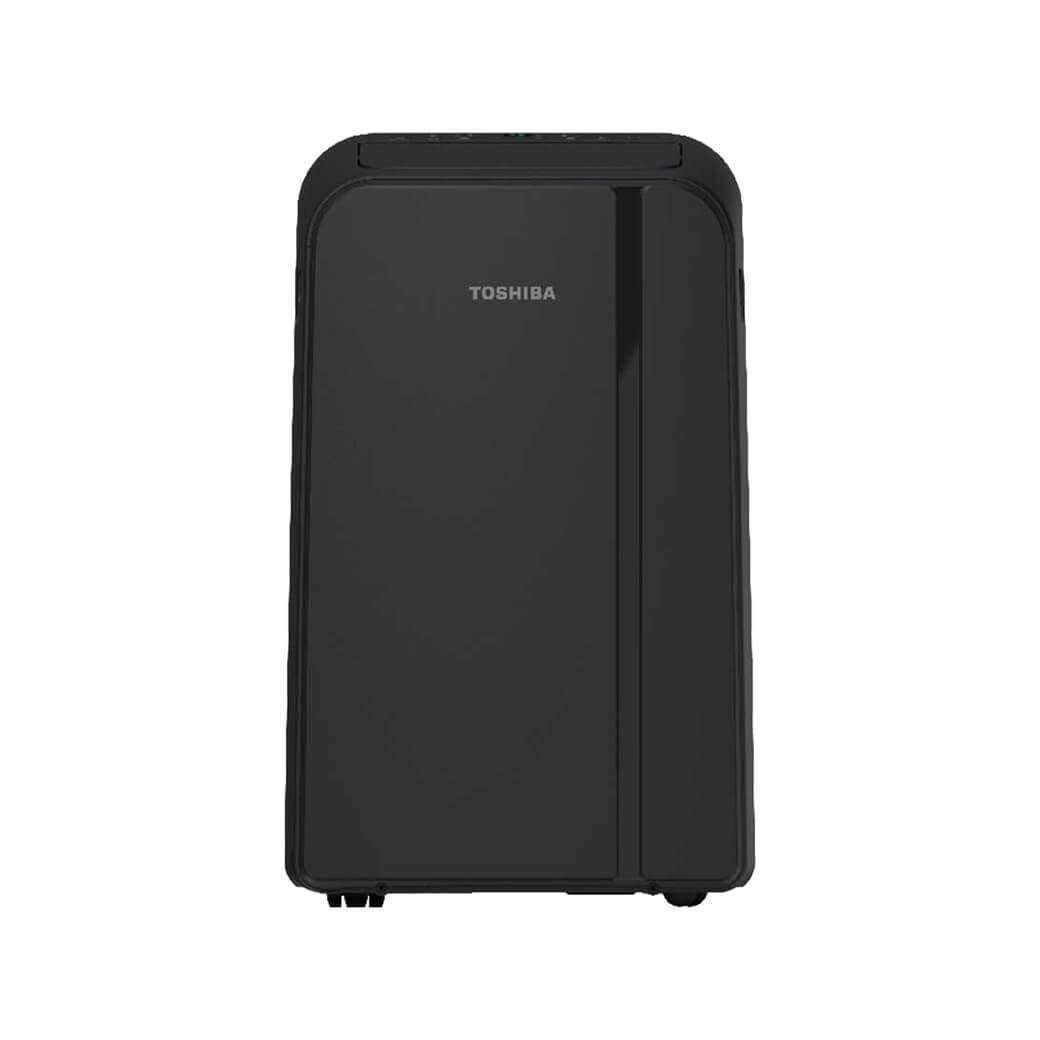
Explore this need in the finder →The Toshiba RAC-PD1414CWRU is a distinct earlier portable-air-conditioner configuration, not a suffix to treat as interchangeable with the PD1213CWRU. Its exact EnergyGuide lists a 10,000-BTU capacity figure, CEER 7.9 and a standardized annual energy-cost estimate of $127. Those numbers describe the label, not an independently measured result. The label does not name DOE/SACC beside the capacity figure, and Toshiba's current U.S. site no longer presents an accessible product page for this model, so a strict DOE-capacity question remains unanswered.
What the larger label figure does—and does not—tell you
Compared with the RAC-PD1213CWRU EnergyGuide, the PD1414CWRU label shows 2,000 more BTU of capacity and a 0.7 higher CEER. Its estimated yearly cost is $19 higher, reflecting the label's assumed seasonal use and electricity rate rather than a guarantee about what one home will pay. These comparisons are useful only as label-to-label context. A BTU figure on an EnergyGuide should not be silently re-keyed as SACC when the label itself does not state that basis. In the matching questionnaire, the PD1414CWRU therefore cannot clear an essential DOE/SACC minimum, even an 8,000-BTU one, unless a separate exact-model document establishes that rating.
That gap makes the model a narrower fit than a current product with an explicit DOE rating. It can be relevant to someone checking a specific older offer, an existing unit, or a replacement whose exact code is printed on the side label, provided that no hard SACC threshold or undocumented cabinet limit is central to the decision. If a room needs a verified capacity tier, choose a product whose exact U.S. page or official label explicitly states the same test method used by the question.
One exhaust hose and a 19.4–62.2-inch window-kit range
The Toshiba portable-PD manual's cover lists RAC-PD1414CWRU. Its accessory list shows one exhaust hose and an included window-slider kit, with a stated opening range of 19.4–62.2 inches. In Cool mode, the exhaust hose is installed; measure the clear vertical or horizontal sash opening and check that the hose can take a short, unbent path to the panel. A 40-inch opening falls inside the published range, but a 63-inch opening does not. The accessory illustration is not a substitute for checking the actual kit pieces in a secondhand box. The manual cautions against extending or bending the exhaust hose.
The family manual describes Cool, Dry and Fan operation and gives different hose/drain instructions by mode. Cool uses the exhaust setup; Fan and Dry use a different arrangement. Dry operation uses a separate drain-hose route, while a full bottom tray in other operation produces a P1 warning and needs draining. That difference matters if your question is not simply “will it cool?” but “can I run it unattended as a dehumidifier?” The source documents a gravity route to a drain for Dry mode, not an exact model-specific lift-pump arrangement.
The filter access is the main family-level distinction
The manual singles this exact model out as having separate upper and lower filters. It contrasts the PD1414CWRU with the PD1213CWRU and two smaller family codes, whose filters are integrated with the rear grille. The separate panels may be easier to remove for cleaning in a room where a unit can be pulled a little away from the wall, but they still require rear access; the manual does not claim that the configuration needs less maintenance. Its interval is to clean the filter every two weeks, and it warns that dust, lint or animal hair can reduce airflow. A tight alcove that blocks the rear is a poor match even if the front fits.
Do not infer heat, smart control or inverter technology from the generic PD-family control diagrams. Those instructions explicitly label some features for “smart models” or “heat pump models,” and do not map every such feature to this SKU. The exact model's heat status, connected functions, dimensions, product mass, room-area estimate, sound level, warranty, DOE/SACC capacity and current product support remain unknown in the source set. Unknown should not be read as absent; it simply cannot satisfy an essential feature filter.
For whom the PD1414CWRU still makes sense
Consider the exact unit only when an older offer is confirmed by its label, the window opening is within the documented range, the one-hose cooling route is acceptable and a named 10,000-BTU DOE minimum is not essential. Its CEER 7.9 is below the finder’s supported 8.0 minimum; that is a hard distinction the published number can answer. If separate filter pieces suit your cleaning routine, this model has a documented maintenance difference from the PD1213CWRU. If instead your priority is heat and a routed condensate plan, compare the separate PT1412HVWRU model and its heat-pump manual; don't assume the PD1414 has heat because the family guide contains generic heat instructions.
The U.S. product-category route and tested exact product route currently redirect to Toshiba's U.S. home page. That does not establish current stock or a complete historical catalogue. This is an earlier-model assessment, not a claim that every retailer listing is valid. No price, current offer, ASIN, independent performance/noise test or personal ownership experience is supplied. On any listing, verify the full RAC-PD1414CWRU suffix, included panel/hose, condition and service path before purchase.
Sources and limits
Compare the exact model EnergyGuide and the Toshiba PD-family owner's manual (third-party-hosted copy). The manual cover names RAC-PD1414CWRU; its filter-cleaning page distinguishes this model from RAC-PD1213CWRU. The official model-coded image is archived, but the manufacturer's current product page could not be retrieved.
Key details at a glance
| Documented modes | cool / dry / fan |
|---|---|
| Dual-hose exhaust arrangement | No |
| Combined energy efficiency ratio on EnergyGuide | 7.9 CEER |
| Window-kit minimum width (where exact manual confirms) | 19.4 in |
| Window-kit maximum width (where exact manual confirms) | 62.2 in |
Use the exact model’s instructions for operating limits, supplied equipment and version differences.
Sources for this assessment
Keep the model number in the decision.
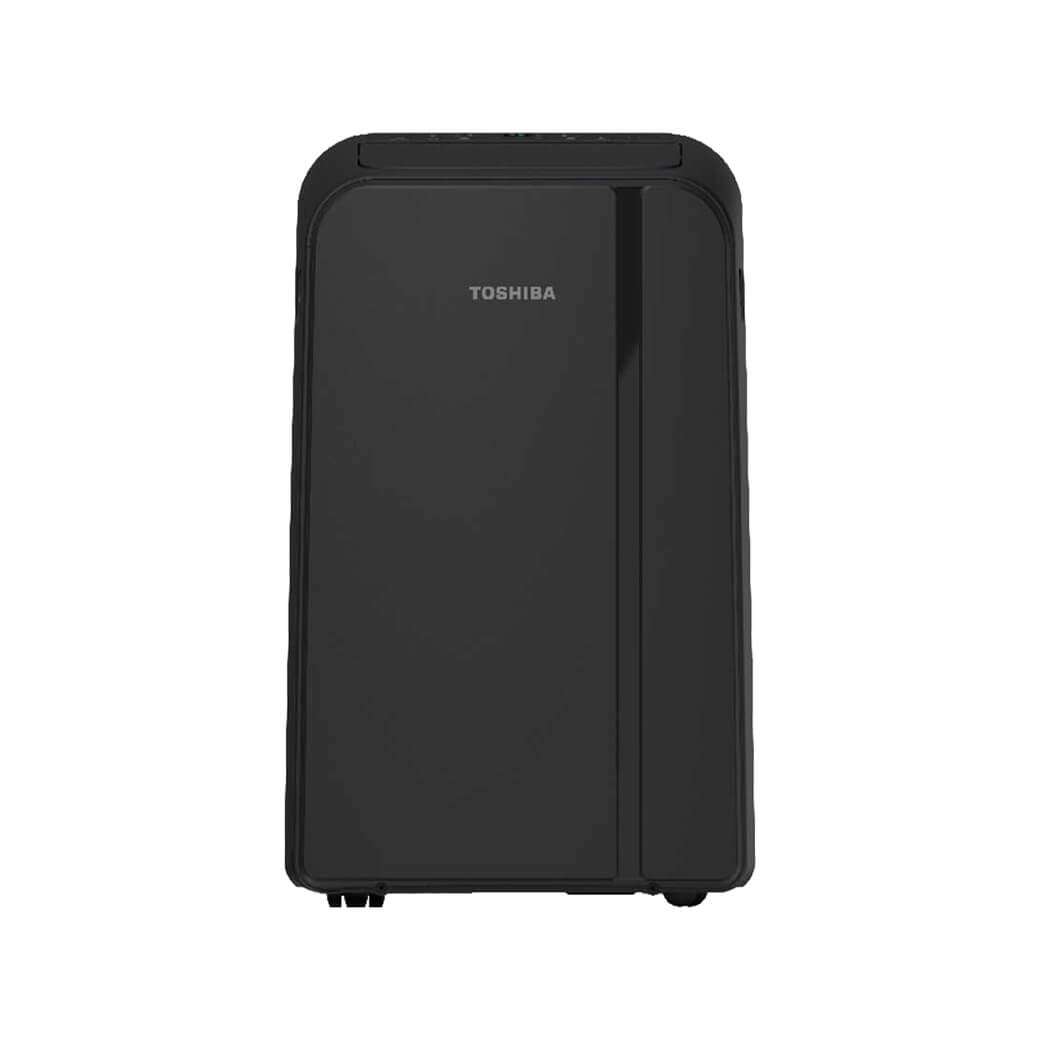
Check the listed suffix, included vent kit, room conditions and service instructions before ordering.